Where Care Happens: Learning Alongside Our Frontline Teams
Featuring Amber Strycker, RN Case Manager – Pikes Peak Hospice & Palliative Care
At Care Synergy, some of the most valuable insights into how we deliver care come from the people closest to it.
As part of an ongoing effort to better understand and support our frontline teams, Dr. Emily Guth, Chief Operating Officer, is spending time alongside team members in the field.
Through these experiences, she is learning more about what their days look like, what is working well, where they encounter barriers, and what we can learn from their experiences as we continue to strengthen our clinical operations.
Where Care Happens: Learning Alongside Our Frontline Teams is a series dedicated to recognizing the people who make compassionate, patient-centered care possible every day. The focus is not on the shadowing experience itself, but on the knowledge, perspective, dedication, and compassion our frontline teams bring to their work.
Each story offers a glimpse into the people and places behind the care we provide — and the lessons we can carry forward as an organization.
Because when we listen to the people closest to the work, we learn how to better support our teams, improve our processes, and ultimately serve our patients and families even better.
Learning from the people closest to the care we provide.
One of my priorities as Chief Operating Officer is to spend time alongside our frontline team members, gaining a deeper understanding of the work they do every day, celebrating what is working well, and identifying opportunities to better support them.
I recently had the opportunity to shadow Amber, one of our RN Case Managers at Pikes Peak Hospice & Palliative Care, during two patient visits. What stood out immediately was her incredible passion for hospice care and her commitment to ensuring patients and families felt heard, informed, and supported.
Throughout both visits, Amber demonstrated exceptional attention to detail, taking the time to answer every question, provide reassurance, and ensure patients and their loved ones understood their care. Her compassion and clinical expertise were evident in every interaction.
It was easy to understand why Amber consistently achieves outstanding CAHPS scores. Her approach reflects what exceptional hospice care should look like: building trust, easing uncertainty, and being fully present with patients and families.
The “WHY” Behind the Work
Amber shared that during her final week of nursing school, only two hours were dedicated to death and dying. She found it surprising that something so universal, yet often frightening, received so little attention.
Wanting to better understand end-of-life care, she pursued an internship at a hospice inpatient unit, where she discovered both the complexity and beauty of hospice.
One experience profoundly shaped her path. After witnessing a patient experience significant physical, emotional, and spiritual suffering at the end of life, Amber became determined to help others experience something different. She also witnessed peaceful deaths and meaningful moments that reinforced the importance of compassionate care.
That experience became her calling, and she has dedicated her nursing career to hospice ever since. As Amber shared, she continues to learn and grow from every patient and family she encounters.
A Special Connection Beyond the Visit
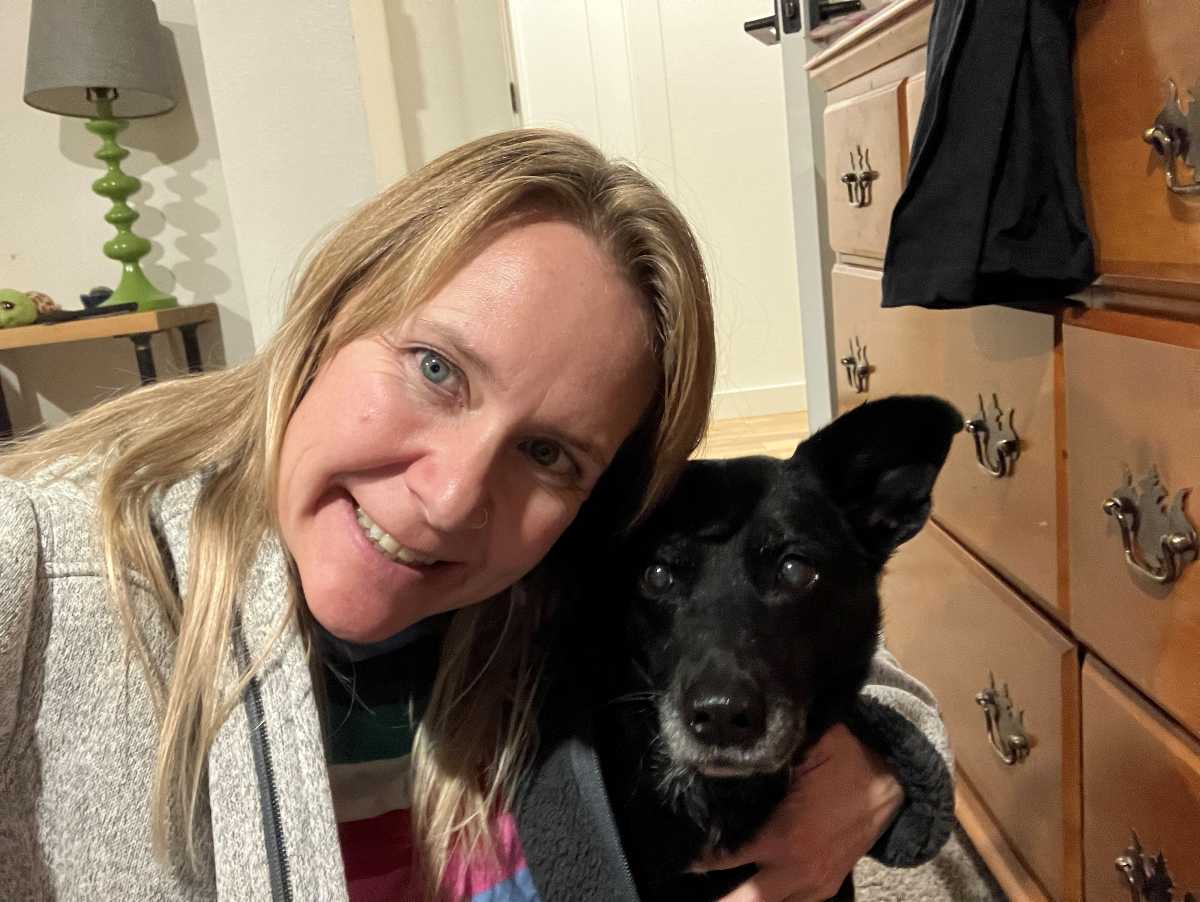
There is also a meaningful story behind Amber's photo. The dog pictured alongside her was given to her by one of her patients. While the gift was handled in accordance with organizational policy, Amber shared that her four-legged companion is worth far more than any dollar amount.
It is a beautiful reminder that the relationships formed through hospice care can leave a lasting impression, not only on patients and families, but also on those privileged to care for them.
Learning from the Frontline
Beyond the exceptional care I observed, Amber provided valuable insight into the challenges clinicians experience navigating our current electronic medical record and the documentation demands that can take time away from patient care.
Her feedback reinforced the importance of our upcoming myUnity implementation and the opportunity to build more efficient, intuitive workflows that better support our frontline teams.
Technology should support the care we provide, not create barriers to it. Our goal is to leverage myUnity to reduce unnecessary documentation burden and allow clinicians to spend more time doing what matters most: caring for patients and their families.
I am grateful to Amber for welcoming me into her day, sharing her experiences, and demonstrating the compassion, dedication, and clinical excellence that make hospice care so meaningful.
Thank you, Amber, for the difference you make every day in the lives of those we serve.
Go Back As part of an ongoing effort to better understand and support our frontline teams, Dr. Emily Guth, Chief Operating Officer, is spending time alongside team members in the field.
Through these experiences, she is learning more about what their days look like, what is working well, where they encounter barriers, and what we can learn from their experiences as we continue to strengthen our clinical operations.
Where Care Happens: Learning Alongside Our Frontline Teams is a series dedicated to recognizing the people who make compassionate, patient-centered care possible every day. The focus is not on the shadowing experience itself, but on the knowledge, perspective, dedication, and compassion our frontline teams bring to their work.
Each story offers a glimpse into the people and places behind the care we provide — and the lessons we can carry forward as an organization.
Because when we listen to the people closest to the work, we learn how to better support our teams, improve our processes, and ultimately serve our patients and families even better.
Learning from the people closest to the care we provide.
One of my priorities as Chief Operating Officer is to spend time alongside our frontline team members, gaining a deeper understanding of the work they do every day, celebrating what is working well, and identifying opportunities to better support them.
I recently had the opportunity to shadow Amber, one of our RN Case Managers at Pikes Peak Hospice & Palliative Care, during two patient visits. What stood out immediately was her incredible passion for hospice care and her commitment to ensuring patients and families felt heard, informed, and supported.
Throughout both visits, Amber demonstrated exceptional attention to detail, taking the time to answer every question, provide reassurance, and ensure patients and their loved ones understood their care. Her compassion and clinical expertise were evident in every interaction.
It was easy to understand why Amber consistently achieves outstanding CAHPS scores. Her approach reflects what exceptional hospice care should look like: building trust, easing uncertainty, and being fully present with patients and families.
The “WHY” Behind the Work
Amber shared that during her final week of nursing school, only two hours were dedicated to death and dying. She found it surprising that something so universal, yet often frightening, received so little attention.
Wanting to better understand end-of-life care, she pursued an internship at a hospice inpatient unit, where she discovered both the complexity and beauty of hospice.
One experience profoundly shaped her path. After witnessing a patient experience significant physical, emotional, and spiritual suffering at the end of life, Amber became determined to help others experience something different. She also witnessed peaceful deaths and meaningful moments that reinforced the importance of compassionate care.
That experience became her calling, and she has dedicated her nursing career to hospice ever since. As Amber shared, she continues to learn and grow from every patient and family she encounters.
A Special Connection Beyond the Visit
There is also a meaningful story behind Amber's photo. The dog pictured alongside her was given to her by one of her patients. While the gift was handled in accordance with organizational policy, Amber shared that her four-legged companion is worth far more than any dollar amount.
It is a beautiful reminder that the relationships formed through hospice care can leave a lasting impression, not only on patients and families, but also on those privileged to care for them.
Learning from the Frontline
Beyond the exceptional care I observed, Amber provided valuable insight into the challenges clinicians experience navigating our current electronic medical record and the documentation demands that can take time away from patient care.
Her feedback reinforced the importance of our upcoming myUnity implementation and the opportunity to build more efficient, intuitive workflows that better support our frontline teams.
Technology should support the care we provide, not create barriers to it. Our goal is to leverage myUnity to reduce unnecessary documentation burden and allow clinicians to spend more time doing what matters most: caring for patients and their families.
I am grateful to Amber for welcoming me into her day, sharing her experiences, and demonstrating the compassion, dedication, and clinical excellence that make hospice care so meaningful.
Thank you, Amber, for the difference you make every day in the lives of those we serve.