Voices of Grief, a Program of Pikes Peak Hospice & Palliative Care

Support
Voices of Grief, a program of Pikes Peak Hospice & Palliative Care, offers 10 to 15 closed support groups annually at varied times of year and in various locations. Groups meet for four, six, or eight weeks depending on the topic and curriculum, with the eight-week group being the most common format.
Participants learn more about grief and are given ample support to share honestly about particular challenges they are navigating. Feedback from these groups consistently reveals that participants experience significant transformation in their grief journey and express renewed hope and vision for moving into the future.
We also offer support through community gatherings such as our annual Love Lights The Way holiday remembrance event, other memorial gatherings, as well as grief film showings and discussions. These gatherings invite the bereaved into warm and understanding community, where they receive care and find a sense of kinship with others.
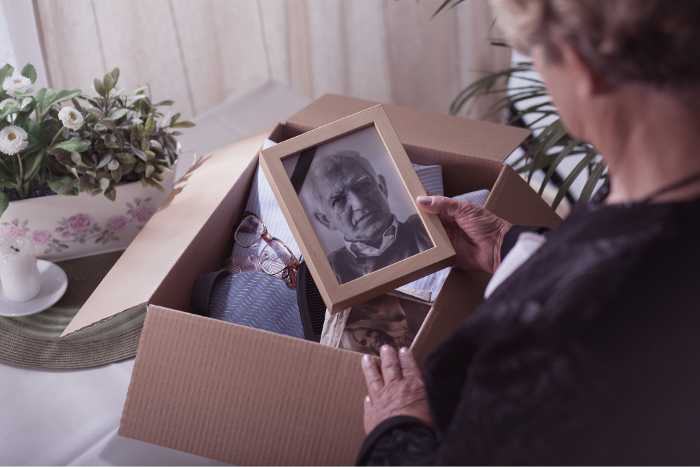
Groups include:
Understanding Your Grief: This eight-week closed support and education group is the cornerstone of our model, using the #1 recommended grief book as named by the NY Times, “Understanding your Grief” by Dr. Alan Wolfelt.
Facing the Mourning: This six-week closed group uses the workbook developed by the Heartlight Center in Denver. The group is invited to engage with weekly practices to facilitate mourning – the outward expression of our grief. Topics include goal setting, creating a memorial, journaling, and letter writing.
The following groups are offered at different times of the year. If you are interested in joining one of the groups, please reach out to us at BereavementTeam@PikesPeakHospice.org or 719-633-3400.
Infant Loss Group: Individuals or couples are invited to a safe, supportive educational support group which includes art therapy directives to help process the trauma and unique heartache of infant loss.
Gone Too Soon: This 8-week, closed format group offers a supportive and compassionate environment for individuals grieving the loss of a loved one due to substance use or overdose. The unique curriculum draws from Dr. Alan Wolfelt's writings related to substance use loss and resources from 12-step recovery programs.
Navigating Early Grief: The group is offered to those in their first 4-6 months following a loss. Foundational resources which shape the group content include “Discovering Significance” by Doug Manning and “The Paradoxes of Mourning” by Dr. Alan Wolfelt.
Honoring Our Grief – A Call to Those Who Grieve. This 8-week, closed grief support and education group is designed for the particular needs of our military community. Using “The Paradoxes of Mourning” by Dr. Alan Wolfelt, the group offers supportive space for honoring cherished memories of loved ones and exploring the complexities of our varied losses.
Explore upcoming group opportunities

Education & Partnerships
There are many misperceptions and false expectations related to grief deeply embedded in our culture. These societal perceptions make it difficult for the bereaved to find caring support. Voices of Grief, a program of Pikes Peak Hospice & Palliative Care, regularly speaks to community groups and professionals, offering varied presentations and classes suited to each setting and audience. Voices of Grief also hosts community film screenings of Voices of Grief: Honoring the Sacred Journey, followed by guided discussions to deepen understanding and connection around the grief experience.
Voices of Grief also invests time and resources in attending community events and networking opportunities in the professional community. Our presence is helping to create a robust mutual-referral network allowing us to both provide and receive nuanced referrals for particular needs.
Finally, Voices of Grief also participates regularly in several therapist groups, which helps us raise awareness of our services and establish a network for mutual referrals. We maintain a list of therapists skilled in grief who we can refer participants to when they need one-on-one support. In return, local therapists refer clients to our groups, offering them a sense of community and safety beyond traditional mental health settings.
If you are interested in learning more or to get involved, please reach out to us at BereavementTeam@PikesPeakHospice.org or 719-633-3400.